Thursday, December 30, 2010

Gluten Free Brewing Experiment - Introduction and GF Pale Ale Recipe

I’m setting out to do an experiment.  I have a couple of friends who have Celiac disease, and cannot consume gluten, so I am going to try and make a gluten-free beer for my friends. 
For those of you who have never heard of Celiac disease or don’t know what gluten is, I’ll elaborate a little. Gluten is a generic term for storage proteins found in grains such as wheat, rye, and barley.  Eating these proteins triggers an immune reaction in the body, which then attacks the intestines. 
So, since beer is traditionally made from barley, wheat, or rye, it is generally out of the question for those with Celiac disease.  And there is no cure.  Their only option is to avoid all products made with barley, wheat, rye (or any of the other grains which contain gluten – there’s a large list here which shows them).
There are, of course, a few exceptions to the rule, such as Redbridge by AB, but for the most part, these are not shining examples of great beer, and are really more of an effort to loosely simulate mass-produced barley beer.  We don’t want to do that.

Tuesday, December 21, 2010

Cooking with Beer - Chocolate Guinness Cake

I have a tendency to find recipes I like and adjust them to my tastes, but this one is perfect as it is.  Nigella Lawson’s Chocolate Guinness cake was published on npr.org in the spring and it is a fantastic dessert. 
The best part of this dessert (besides the fact it is made with beer) is the frosting, but I think she’s also correct in her assessment that this cake would still taste “gorgeous” without it.
If you’re feeling really adventurous, you could try baking this with a homemade Mayan Chocolate Stout, and then pairing the two when the cake’s done.  A little cayenne pepper couldn’t hurt, right?
Without further ado, here is Nigella Lawson’s Chocolate Guinness Cake, reproduced from npr.org:

Saturday, November 20, 2010

Beer News - Brew Masters to Premiere on The Discovery Channel

It's been a busy week, or I would have posted this earlier, but Sunday night marks the premier of a new show on The Discovery Channel that is of special interest of us as brewers and beer fans. Brew Masters airs for the first time at 10 pm Eastern (9 pm here in Springfield). The show centers around extreme craft brewer Sam Calaglione's adventurous take on creating unusual beers.
Calaglione, who founded Dogfish Head Brewery, is known in the craft brewing industry as taking extreme brewing to a whole new level. Once you read the story about how he attempted to recreate chicha, a traditional Peruvian corn beer, the process of which involves manually chewing dried corn before adding it to the mash. Yes. With their mouths. (Don't worry, it's done before the beer is boiled for an hour, so it's completely sterilized before it is fermented, much less drunk.)
He I also known as an author of several books, the most important of which are Brewing Up a Business: Adventures in Entrepreneurship from the Founder of Dogfish Head Craft Brewery and Extreme Brewing: An Enthusiast's Guide to Brewing Craft Beer at Home. The first is an invaluable resource for any Entrepreneur, and is focused on Calaglione's business sense. The second is one of the most influential books about brewing, and is, at the very least, an indirect influence on any home brewer has attempted a beer which uses an unusual ingredient, such as cayenne pepper.
The show looks to be a lot of fun. The Discovery Channel will basically be following Calaglione around while he explains what he does and builds new recipes. According to the Discovery Channel's site, "BREW MASTERS follows Sam and his partners in suds as they travel the country and the world sourcing exotic ingredients and discovering ancient techniques to produce beers of astounding originality." In the first episode, "Bitches Brew," Calaglione and company produce a beer to commemorate the 40th anniversary of the release of Miles Davis's iconic album of the same name.
It should be pretty good. I'll be watching.

Saturday, November 13, 2010

Winter Warmer Recipe - Double Chocolate Stout

Now that it's getting colder outside, I tend to crave darker beers.  I consider this beer a winter warmer, designed to warm you up after shoveling the driveway or just getting home from a long day at work.  The flavor is rich and chocolaty, with a bit of spice to kick up the warming effect a little.  The cayenne pepper addition will kick up the heat a bit, but if you don't like spicy things, leave it out.  The original version of this recipe called for a tablespoon, but I have learned a valuable lesson.  In this version, I have cut it back to more tolerable levels.  Remember, the pepper is completely optional, so if you're concerned at all about the spice, this recipe will still make a top-notch double chocolate stout.

After the jump, you'll see both the extract and all-grain options.

Friday, November 12, 2010

Beginning Home Brewing - Choosing an Ingredient Kit

As a beginning brewer, how do you know how to make a good beer?  Of course, you have to have good processes and have to keep things clean, but right now I’m talking about choosing your ingredients and knowing how to put them together. 
The easiest way to get good ingredients in the right measures is to buy an ingredient kit.  There are a lot of them available online, but it’s important to get a good one, since your finished beer is only as good as the ingredients that go into it.  Since all brewing ingredients are perishable, it’s best to make sure your ingredients are fresh and have been stored well.  You don’t want to get your kit from eBay only to find out the guy bought it a year ago and stored it at room temperature.  The yeast would be dead, and the hops would most likely smell and taste like something between limburger cheese and your father’s sweat socks.
So, in order to get fresh ingredients, get them from a reputable dealer.  If you live in the SGF metro area, I recommend doing business with The Home Brewery (Map).  Go out there and get one of their kits.  While they keep some in stock, they will also happily make you one to order and send you on your way with fresh ingredients for your beer.  All of their ingredients are stored properly, and I have never had a problem with the freshness or quality of their ingredients.  The actual extract recipes for a few of their kits can be found on their website.
Seven Bridges Cooperative
If you’re buying kits from the Home Brewery, I’d like to recommend a few favorites.  I highly recommend their Yellow Dog Pale Ale, the Belgian Wit, and the Honey Cream Ale.  If you’re feeling adventurous and have the patience to allow a beer to age for a bit, I give my wholehearted endorsement to their Barley Wine kit.  Make sure you let it age a few months, though.  It gets better for a couple of years.  I brewed a batch at the end of 2007, and it was still getting better up to 2009. 
If you want to broaden your choices, you can go online and order from a reputable homebrew store, as well.  Morebeer.com, Northern Brewer, and Williams Brewing are all good shops and have very good reputations.  If you prefer an organic brew, you can order from 7 Bridges Cooperative, as well.  They specialize in organic ingredients and kits. 

Wednesday, November 10, 2010

C-Street Brewing Company officially a No-Go

One of two new breweries slated to open in Springfield, the C-Street Brewing Company, is officially off the table.  The building is listed for sale on CJR Commercial Group, and tagsgf.com has confirmed it with the Urban Districts Alliance.  Have no fear, however, fellow SGFers, there will still be a 30 bbl brewery opening in the old Colonial Factory very soon. 
Currently, they are slated to open in spring of 2011.  Trust me when I say it will be worth the wait.

Unleash Your Inner Beer Geek.

I just stumbled upon this today, and wanted to share it.  You can download academic and scientific articles done on brewing and distilling from The Journal of The Institute of Brewing and Distilling
If you’re into the science of brewing (on a deeper level than most) it can be pretty fascinating information.  I just finished reading an article located on this site about malting buckwheat.  I figured it might help with my upcoming gluten-free beer project.
Watch out, though.  With titles such as “Optimisation of the Mashing Procedure for 100% Malted Proso Millet (Panicum miliaceum L.) as a Raw Material for Gluten-free Beverages and Beers”, you might be in for some rough reading. 
Just do what I do.  When they start walking you through all of the statistical analysis, skip to the “Discussion” and “Conclusion” sections.  It’ll save you a bald spot from all the head-scratching and you’ll get roughly the same information.  You only really need to analyze the data if you think their conclusions are wrong or if you’re evaluating the article for accuracy.
Here are some highlights I’ve found.
I figure it must be worthwhile if you’re contemplating getting a larger fermenter or investing in a conical fermenter.  It also probably has some good information on that age-old home brewing practice of repitching yeast.
I like the idea of this.  A scientific study done on a completely subjective facet of life – food and beer pairing.
Alternative Paradigms for the Production of Beer
Stephen T. Russell, R. Paul Singh and Charles W. Bamforth
This is the ultimate article about mass-producing alcoholic beverages, and should make every home brewer and beer lover cringe.  The idea put forth in the article is that, in theory, a beverage manufacturer could strip down the brewing process to the following: 
This method would be based on the production of a bland alcoholic base with the downstream adjustment of quality parameters such as flavour, colour, foam, and carbonation. The new method would be predicted to provide reductions in cost, materials usage, energy demand, carbon dioxide footprint, and by-product production challenges. 
Basically, buy a flavorless, colorless form of inexpensive alcohol, then flavor it and color it to look like beer, then force carbonate it.  It’s taking mass-production to a whole new level in brewing.  You basically get rid of the entire brewing process, and then redefine it in the most cost-efficient way with no regard to how beer is traditionally made.  It’s a revolutionary idea, but I can tell you I don’t like it.  Do they find that these approaches will save producers money?  Yes, and they also save greatly on by-products and waste.  But, honestly, answer me this:  Would you buy it?

Friday, November 5, 2010

Beginning Homebrewing Part III - Bottling and Drinking

We’ve boiled our wort, cooled it, and put it in a fermenter.  It’s done its thing for ten days, and the airlock has not bubbled in a couple of days.  Everything seems to be going pretty well.
When the fermentation is done, you’ll be ready to bottle. 
Note: From this point, it is helpful, but not necessary, to have an extra person to assist you.  The extra set of hands will save you a lot of mess and will speed the process up greatly, but if you don’t have a helper, it’s not the end of the world.  It just means you’ll have to work a bit harder.
First things first.
First, sanitize your bottles and bottling bucket (the one with the spout on the bottom) along with the bottling wand (if included), siphon, and hose.  Don’t forget to sanitize your bottle caps.  Your kit should have come with a packet of sanitizer for this purpose.  Just follow the instructions on the packet.
Once everything is sanitized and ready, you can open your fermenter.  You’ll be punched in the face with the aroma of fermenting beer.  Sometimes it might smell a little sour depending on your yeast, but don’t worry.  The beer will taste fine as long as everything was clean when you put it in the bucket.
How do I get the beer into the bottling bucket?
However you do it, try to get as little sludge from the bottom of your fermenter into the bottling bucket as possible.  It won’t hurt anything if you get a little bit in there, but it can affect the flavor if too much is in your bottles.  It’s generally the best practice to siphon the beer into the bottling bucket. 

Monday, November 1, 2010

Beginning Homebrewing Part II - Fermentation

Cherry Blonde in a fermenter.
OK, so you’ve finished boiling and cooling your first batch of beer according to the instructions in your kit.  Now what?
Now, you wait.
Put the lid on the fermenter and seal it up tight, then insert the stopper and the airlock.  Airlocks are devices inserted into the top of your fermenter which hold a certain amount of liquid and allow gas to escape but not to flow back in.  This one-way flow allows the fermenting beer to release carbon dioxide gas without getting any external bacteria in it which might make your beer taste bad. 
Some folks used distilled or clean water in their airlocks.  I and many others use vodka because it ensures any bacteria that get in dies before it can infect the beer.  Plus, the airlocks typically only need a half-ounce of liquid, so buying a half-pint of vodka will last through several batches of beer unless you’re drinking it, too.  It’s up to you, though.  Good clean water should work just fine, too.  Don’t sweat it.  It’ll still be beer when it’s done.

Tuesday, October 26, 2010

Brewing for Beginners Part I - Getting Started

Always with me on brew days.
In honor of national “Learn to Homebrew Day,” which takes place on the first Saturday of November each year, I thought I would start a series on home brewing and how easy it is to make great beer at home.  I’ve been brewing at home for years, and with a little bit of preparation, you can make whatever kind of beer you like in your kitchen or in your garage. 

When I got started brewing several years ago, I started with a Basic Home Brewing kit from The Homebrewery in Ozark, Missouri (Map).  Their kits are as good or better than any found online, and the service staff is very knowledgeable and friendly.  Plus, they’re local.  The kit includes almost everything you need to brew your first batch, from boil to bottle, including some very good instructions.  There are only three things missing from the kit that you will need:
  1. Bottles – get your friends to save all brown bottles that aren’t twist off for you.  You’ll need just over 2 cases. Make sure that they are very thoroughly rinsed out.  You don’t want to have to try and get out what grows in the bottom of beer bottles. There’s a reason home brewers call it “beercrete.”
  2. A heat source – a stove will work, as long as it can boil enough water, but I use an outdoor burner and brew in a garage. Keep in mind if you are boiling on an electric range that it can take a very long time to boil large volumes of water on a stove top, and you may want to get an outdoor burner instead. 
  3. A stock pot – to start, you can use anything that will successfully boil 2 to 2.5 gallons, but the larger volume you can boil the better.  Avoid uncoated aluminum if possible.  It can add a slight metallic taste, but enamel pots are just fine, and stainless pots are the best.

Saturday, October 23, 2010

The Elusive Drinkable Pumpkin Ales

Before I get started on beer, I just want to say that I love pumpkin pie.  Really.  It’s one of my favorite things about fall.  It might be that I connect pumpkin pie with the holidays and with some joyful memories of my childhood or something.  Or it might just be that I like pumpkin pie.  The mixture of the pumpkin, all the right spices, and a really good, flaky, homemade crust really just makes me feel happy for a while.
Having said that, I must now say this:
I usually don’t like pumpkin ales.  Most of them are too sweet or taste like someone put pumpkin pie and beer in a blender.
Now, understand that being mixed with pumpkin pie is not a bad thing for all things.  The pumpkin pie concrete from Andy’s Frozen Custard tastes for instance – I friggin’ love that thing.  Beer, however, is not frozen custard.
Although I don’t usually like pumpkin ales, I always try them when I see them.  For a long time, I wasn’t too sure why, but if I saw a pumpkin ale on tap at a bar, or if a friend brought a sixer of one to a party, I inevitably want to taste it.  I think I’ve always been waiting for one that I would really like.  Over time, I’ve found a few that were remarkable, and many more which were not. So, I can’t say I don’t like pumpkin ales.  I think I really do like them.  Or, I like the idea of them, anyway. 
Photo from stlhops.com
Pumpkin beers are not solely a product of modern American beer ingenuity.  They’ve been around for a very long time.  Early American settlers used pumpkin as a base for their beer when more traditional ingredients were not readily found.  All of the pumpkin ales you find now are throwbacks to Colonial America. 
Unfortunately, some brewers today make sweet amber ale, throw in some allspice, cloves, and cinnamon, and call it a “Pumpkin Ale.” 
So, in order to avoid the sweetened pumpkin pie in a bottle or the overly spiced amber ale, stick to these pumpkin ales, which are pretty tasty.  Keep in mind these ales are rated only against other pumpkin ales, not all other beers.
Samuel Adams Harvest Pumpkin Ale – Boston Beer Company – 5.7% ABV – Yes, they use real pumpkin, it’s got a patriotic name, and it’s pretty good.  It pours a nice clear amber color and it’s not overdone.  The spices are subdued and the caramel flavor of the malt is present without being overwhelming.  The pumpkin is definitely in the aroma and the flavor, but it’s well balanced by the other flavors.  4 out of 5 pumpkins.
Schlafly Pumpkin Ale – St. Louis Brewery – 8% ABV – A heavy hitter, this beer weighs in at 8% ABV, so be careful, because it’s really easy to drink.  This one’s a bit heavier on the spices, particularly the cinnamon, but it’s balanced by a heavier malt backbone and a bit more pumpkin flavor.  4.5 out of 5 pumpkins.

Wednesday, September 29, 2010

Beery events this week in Springfield, Mo.

Oktoberfest time is here.  That means it is beer season.  Yes, all seasons are beer seasons, but this one is especially good because of all of the good beer events going on in SGF.  Here are a couple of events that caught my eye over the next couple of weeks:

Visit the Discovery Center tomorrow, September 30th, at 6:30 PM to learn about the science behind beer.  Hosted by Springfield Brewing Company’s Brew Master Ashton Lewis (Mr. Wizard to all of us home brewers) and Todd Frye, owner of the Home Brewery in Ozark, Missouri, this event is sure to be packed with great information about the history, science, and practice of brewing at home and commercially.  Both of these hosts are funny, nice guys, and are very knowledgeable on the subject. The cost is $20 per head which includes tasting and appetizers, and it’s for 21 and over only, of course. For more information, visit http://www.discoverycenter.org/WhatsNew/SpecialEvents.htm or call Charlotte at 417-862-9910 Ext. 713.  Event Sponsored by The Home Brewery, Heather Hill Farm, and Springfield Brewing Company.

On Saturday October 2nd, head down to the Brown Derby Wine Center for their annual Oktoberfest event.  They’ll be offering samples of over 100 beers in their tents outside, and each ten dollar ticket includes a $5 donation to the Doula Foundation of Mid-America (located at www.doulafoundation.org).  Remember to try the really good ones first.  Tickets are sold at the door only, but the first 100 people will also get a ticket to the Midwest Family Oktoberfest the following weekend.

Of course, then there’s the Midwest Family Oktoberfest held at the Ramada Oasis Convention Center on October 9th.  Party runs from noon to 8 pm.  Brown Derby will have a tasting tent, and the festivities will feature food from Whole Hog Café, 417 Pizza, Planet Sub, and Fire and Ice.  Tickets are 12 bucks, and they include a ton of live music on two stages and a whole lot of fun.

Know of any events you’d like to add?  Add a comment and share it with the world.

Saturday, July 31, 2010

How to Taste a Beer – Part I – Keeping a Journal

While it is very easy to taste a beer and know if you like it, it's sometimes a lot harder to know why you like it.  If you really want to begin understanding your own tastes in beer and knowing what you like and what you don't, and if you want to really explore your love for the sudsy stuff, I highly recommend starting a beer journal. 
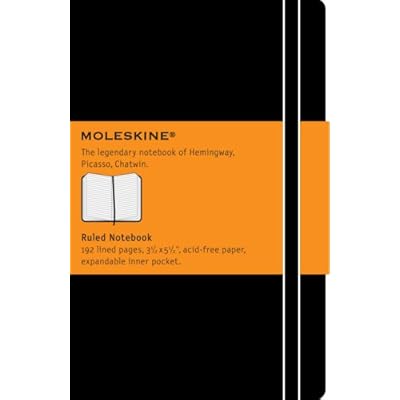
Moleskine Pocket Notebook
I started my first beer journal in a little pocket moleskine notebook in 2007.  I used a rating system based pretty closely on that used by ratebeer.com.  RateBeer's system involves first rating the beer's attributes (appearance, aroma, flavor, and mouthfeel) separately, and then giving the beer an overall score.  The appearance and mouthfeel are weighted slightly lower than the aroma and flavor, but in the end the overall rating is more dependent on how the attributes work together than on anything else.
In my journal, for instance, I first record the name of the beer and the brewer at the top of the page.  I then wrote whether it was a bottle, can, or draft, the date I recorded the entry, and the Alcohol by volume (for my own reference).  I then rate the appearance on a rating of one to five, and make notes about the appearance.  Then, I rate the aroma on a scale of one to ten, similarly pausing to write notes.  When I taste the beer, I do so first for flavor, and then for mouthfeel.  The flavor is rated from one to ten, and includes any finish or aftertaste in the beer.  The mouthfeel is rated from one to five, and is based on how the beer feels on your tongue.  In the end, I go through all of the sensory experiences and consider them together, and rate the overall beer rating out of twenty.

Wednesday, July 28, 2010

Cooking with Beer - Beer Can Chicken

Beer + Chicken = Delicious.
One of the best recipes for chicken at an outdoor barbecue, the Beer Can Chicken is a classic.  It is very easy to do, makes a delicious and moist bird, and always impresses if you’re entertaining.  Of course, you don’t necessarily have to do this outdoors, but it sure helps.  Not only do you not have to worry about drippings as much (if you make it in the oven, make sure and have a pan under your chicken), but the smell also won’t completely fill your house, although that may not be such a bad thing.
The best beers to choose for this are typically lighter ales or lagers, although I’ve heard that a stout or porter is nice if you couple it with the right rub (I haven’t tried it, though).
Since the best cans to use are 16 oz cans, you might want to use one of the ales or lagers from Tallgrass Brewing Company, since they are pretty good and come in the right-size can. 

Friday, July 16, 2010

Cooking with Beer - Beer and Cheddar Soup

Did you know that you can do other things with beer than just drink it?

I know. It’s crazy.

My favorite other thing to do with beer is cook with it. There are a lot of really great recipes out there, from beer bread to beef and Guinness stew, and it can be fun to experiment with our favorite beverage as an ingredient in food. As a new feature for this column, I’m going to start sharing with you some of my favorite recipes for cooking with beer. In most cases, pairing the recipe and the beer with which it is made brings out some flavors you may not have noticed before.

This recipe, given to me by my brother some time ago, was originally pretty loosey-goosey with the ingredients, but I have tightened it up a bit, and it makes a delicious cheese soup. I’m not sure where he got it, but I’m a big fan. For this printing, I’ve gone ahead and named it after his blog at www.thirstypilgrim.com. Use your favorite ale or lager, but it should probably not be too malty or too hoppy. American Pale Ales work well, but an IPA might have issues. British beers work well, like an ESB or a bitter, and if you want to go fancy, I highly recommend Saison DuPont, but it can be a bit pricey to cook with. While Joe originally sent me the recipe with the instructions to ladle the soup over croutons, it was my wife’s idea to make our own when we first made the soup. (Crouton recipe follows)

Thirsty Pilgrim’s Beer and Cheese Soup:

Ingredients:
3 tsp water
3 tsp corn starch
½ onion, chopped
1-2 cloves minced garlic
½ tsp thyme
2 tbsp butter
1 cup chicken broth
1 cup beer (sip on the rest of it while cooking.)
6 oz cheddar cheese, shredded
6 oz melty cheese of your choice, shredded (I’ve used havarti or mozzarella, be creative.)
1 tsp paprika
Salt
Pepper
Hot sauce
1 cup milk or heavy cream
Croutons (recipe follows, or you can just buy some.)

Instructions:

Mix the 3 tsp of water into 3 tsp of cornstarch and set aside. In a saucepan, sauté the onion, garlic, and thyme in the butter until the onion is soft. Add 1 cup of chicken broth and bring it to a boil. Add 1 cup of beer, 6 oz cheddar cheese, and 6 oz melty cheese, and 1 tsp of paprika. Add the salt and pepper to taste and a few dashes of your favorite hot sauce. Reduce the heat to medium low, then whisk in 1 cup of milk or cream and the cornstarch mixture, and then stir until the cheese completely melts and the soup begins to thicken or bubble. Ladle the soup into a bowl over your favorite croutons, and serve with the beer with which it was made.

The Croutons:

Ingredients:
1 large loaf or 2 small loaves day-old French or other bread (can be slightly stale)
Olive oil or butter
Garlic powder
Italian Seasoning

Instructions:

Preheat oven to 350 F. Cut the loaves of bread into 1 inch cubes. In a large bowl, put some olive oil or butter in the bottom and toss the bread in the olive oil to coat. Then, sprinkle with garlic and seasonings, and toss again. Repeat the sprinkling and tossing if you wish to strengthen the flavor, but taste them first. You can always add more, but taking seasoning out is impossible. Lay your croutons on a cookie sheet in a single layer and bake them for 15 minutes (tossing halfway through) or until they are golden brown. Cool them. You can store them in a plastic bag or covered container if you have extras.

Have a recipe you’d like to share with me? I’d love to try it and write about it. Send your recipe to stangebrewing at gmail dot com if you’d like it to be considered for posting, or if you’d just like me to try it. If you don’t want it posted, let me know. It’ll be our secret.

Thursday, July 15, 2010

New Kid In Town - Tallgrass Brewing Company

Part of my duty as a beer columnist is finding out and trying new beers as they move into Springfield.  I can assure you that, while I use the word “duty” here, you should understand that I am happy to jump on this hand grenade for you. 
That is why I was eager to write a column about Tallgrass Brewing Company, which just arrived in Springfield from Manhattan, Kansas.  The origins of this brewery are near and dear to my heart.  The story provided on their website tells a tale of Jeff Gill, a 6-year home brewing veteran, whose wife, Tricia, turned to him one day and asked what he wanted to do with the rest of his life.  Having considered carefully, he replied “I want to start a microbrewery!”
Having been an avid home brewer for over six years myself, I can definitely relate to Jeff’s passionate wish.  While home brewers love beer and love the process of making it, what really makes us happy is making beer that others can enjoy.
Out of Jeff’s wish, the Tallgrass brewing company was born in 2007, and they have been quietly brewing up a storm in their copper kettles ever since, and you can now try their wares by visiting your local fine beer-selling establishment.  (I have found their wares at the Brown Derby Wine Center, but I imagine they can be found in a few other places if you look hard enough.)
Oh, one more thing: you can take these beers on your float trip, because—like many other great craft beers now—these fine ales and lagers are sold in cans. 
Tallgrass Buffalo Sweat Stout – Tallgrass Brewing Company – Sweet Stout – 5% ABV – Although the name sounds disgusting, this beer may surprise you.  It’s another gateway beer for folks who don’t typically drink a stout.  It pours nearly opaque brown with a light tan head.  The aroma is full of roasted things – chocolate, coffee, and dark bread.  The flavor might remind you a bit of brownies, as the sweetness of the cream sugar and malt combines with the roasted chocolate and coffee to create something new.  May not be one for a hot day on the river, but you might plow through a few that night by the fire. 3.5 out of 5 pints
Tallgrass IPA – Tallgrass Brewing Company – IPA – 6.3% ABV – Alright, so sometimes a bit of a hop-head, but hops can add a lot of things to beer, including bitterness, flavor, aroma, and freshness.  In the case of Tallgrass IPA, the brewer employs them all satisfactorily.  Some IPA’s are overpowered by their hops, but Tallgrass is fairly well balanced.  The fresh hop aroma in this bright orange ale is piney and citrusy, but still allows some of the caramel and bread notes to come through.  This translates well to the flavor which starts with sweet citrus but is followed closely by a slight lemony tartness and bitterness.  The beer finishes with a little bit of peppery hops.  Overall, it’s pretty easy to drink, and is an easy IPA.  3.5 out of 5 pints
Tallgrass Köld Lager – Tallgrass Brewing Company – Kölsch – 5% ABV – If there is a favorite craft beer style that is always easy to drink, it’s Kölsch.  This style is a light lager that has been produced by great German brewers in Köln, Germany for centuries, although the name “Kölsch” was not used commercially until 1913.  The glasses this beer is traditionally served in?  Stange glasses (pronounced Stahng-uh, which means a pole, like a curtain rod).  Yup.  It’s also my last name, though my name is pronounced more like Stayng.  Anyway, this beer is a crystal clear straw-color with white head.  The arome is like hay and bread.  The flavor is light, like the style demands, but it’s very refreshing.  The idea behind a good Kölsch is to be light and easy-to-drink, and this one does that almost too well.  3 out of 5 pints
Tallgrass Oasis ESB – Tallgrass Brewing Company – Premium Bitter/ESB – 7.2% ABV – The strongest ale of this group, Oasis ESB is actually described by the brewery as being a “Double ESB/IPAish beer.”  I didn’t know for sure what they meant until I tasted it.  I’ll say it packs a bit of a punch compared to the others.  It’s a bit hazy on the pour, but has a reddish-amber color with an off-white head.  The aroma has a lot going on, including some sweet molasses, pine, citrus, and bread. The flavor is a bowling ball of hops.  It’s bitter and floral with a very slight sweetness.  You may also detect a little bit of tea-like tannins in the background.  If there is a beer on this list which puts Tallgrass in with the big boys of craft brewing, this beer is it.  Phenomenal job.  4.5 out of 5 pints.

Tuesday, June 22, 2010

Shift Your Lupulin Threshold

My brother was brewing a batch of beer some time ago, and became a little too curious about his hops.  He caught the fresh, grassy, citrusy aroma from the hops as he opened the bag, and thought, “They smell so good.  I wonder what it would taste like if I just popped one in my mouth.”
Big mistake.
Want to know what a hop flower tastes like?  Hops are bitter – very bitter.  So bitter, in fact, that if you ate one whole, you would probably taste bitterness and nothing else for about two weeks.  The end result of my brother’s experiment is that he developed a month-long aversion to all things hoppy and that he learned a valuable lesson about putting things in his mouth.
As amusing as it was to hear my brother relate this story about him, it illustrates just how diluted most hops are in beer.  Every beer fan worth his salt knows that hops contribute bitterness and flavor, but unless they brew, they probably underestimate just how diluted the hops are.
Hops in the final product of beer are usually measured in International Bittering Units, or IBU’s.  For an American Lager, such as Budweiser or Miller Genuine Draft, you’d probably see between 8-15 IBU’s.  That means that in 5 gallons of beer, you would have about 1 oz of hops. (This is dependent greatly on the hops, but I’ve assumed a 5% alpha acid hop, for all you hop fans out there who know what that means).  For an American Wheat beer, you could see anything from 15 to 30 IBU’s, and for an American Pale Ale, you’d see anywhere from 30 to 45.  IPA’s are the big boys, weighing in at 40-70 IBU’s, and sometimes more than that.  I have seen a couple of “Hop Monsters” reach upwards of 100 IBU’s, but once you get that high, it really doesn’t matter any more.
These IBU’s are usually contributed and calculated based on the alpha acids in the hops, which are held in the lupulin glands on the plant.  If you were to look at a hop flower, you would see what looks like a yellowish powder on the bottom of the hop.  These are the lupulin glands, which contain all the essential oils and tasties which we put in our beer.
Every beer drinker has a limit to how bitter they like their beer.  This is called their Lupulin Threshold. (Named for the lupulin glands.  Get it?)  If a beer fan develops a taste for more and more bitter beers, they experience what is called a Lupulin Threshold Shift.  So, where do you stand?  Where is your Lupulin Threshold, and can you remember a beer which triggered a Lupulin Threshold Shift in your tastes? 
Here is a brief list of some beers which have the right kind of hop flavors and balance to contribute to your first or next Lupulin Threshold Shift.
Sierra Nevada Pale Ale – Sierra Nevada Brewing – American Pale Ale – 5.6% ABV – This beer is a benchmark for American Pale Ales.  Weighing in at 37 IBU’s, this beer falls right into the heart of the APA range and has the flavor to back it up.  Some beer fans have been tempted to attribute this beer’s high ratings as sentimentality (Sierra Nevada was among the pioneers of the craft brewing movement, acting fully 20 years before most people even realized that there as such a thing as Craft Brewing), but the fact is that this beer is good.  Very good.  It pours a sparkling amber with a white head, has an aroma of lemon, grapefruit, and a little pine, and has a flavor seamlessly balanced between sweetness and bitterness with just a little spiciness.  5 out of 5 pints.
Schlafly APA – Saint Louis Brewery – American Pale Ale – 5.9% ABV – I just had a bottle of this the other day, and it is always a surprise to me.  Anyway, it pours amber in color with a quickly dissipating head, but it has a lot of carbonation, which gives the aroma a bit more punch.  While this beer has all the bitterness and hops flavor you would expect in an American Pale Ale, it is extraordinarily well balanced.  The fruity hop aromas and flavors are mixed with just the right amount of bitterness, caramel sweetness, and bready goodness to make a complex, delicious beer.  Pour this one in a glass and really sip and taste it.  You’ll find a lot of flavors in there.  You might detect some orange, pine, grapefruit, or herbal notes.  I think everyone who drinks it finds different flavors.  Try it and find out what you can find in there.  4.5 out of 5 pints.
Single-wide IPA – Boulevard Brewing Company – India Pale Ale (IPA) – 5.7% ABV – What I love most about Single-Wide IPA is that it is readily available here in Springfield.  It has six varieties of hops in it, and weighs in at a commanding 59 IBU’s.  It pours a hazy orange with a rocky head, and has plenty of carbonation to carry the grapefruit and pine aroma.  The flavor starts out with a little bit of sweetness, but that is followed by a punch of hops.  If you’re looking to shift your threshold into the IPA range, you could do worse than to grab one of these.  4 out of 5 pints.
Bell’s Two-Hearted – Bells Brewery – IPA – 7% ABV – Where Single-wide has 6 flavors of hops, Bell’s has one.  It doesn’t lose any complexity or quality, though.  Two-Hearted is known as one of the absolute best IPA’s in the American market, and with good reason.  The all-Centennial hop schedule gives this beer a huge citrus and pine aroma.  Two-Hearted is a monster, but a delicious one.  Every drop of this beer is a grapefruit and citrus thrill, and finishes with a dry bitterness that leaves your mouth begging for more.  If you hadn’t noticed, this is one of my favorite beers.  5 out of 5 pints.


New In Town - SKA Brewing, Durango California

One of the most popular pastimes in Southwest Missouri in the summer is floating.  Getting out in a canoe or raft on Missouri’s waterways used to mean drinking whichever American lager you could stand to drink all day, since only cans were allowed on the river.  Because of an age-old stigma against cans (they, at one time, were known to add a metallic taste to your beer), microbreweries and beer aficionados alike dreaded the idea of high quality beer being packaged in cans instead of bottles. 
That was, of course, until a few microbreweries stopped and took another look at cans as a packaging option.  Packaging Technology has come a very long way in the past decade or two, and the cans that used to expose your precious suds to aluminum are now “specially lined” to protect your brew from tasting like the bottom of a Hot Wheel. 
In addition, in the everlasting pursuit of preserving the freshness of beer when it is opened by a customer, the cans make a huge difference.  You see, the two greatest enemies of fresh beer are ultra-violet light and oxygen.  Clear and green glass bottles let in a lot of ultraviolet light, causing the infamous “skunky” flavor.  When a beer has that flavor (and it’s not supposed to), it is considered light-struck.  If you tasted a Corona straight from the brewery and one sold to your in the store, you probably wouldn’t recognize the beer from the brewery, as that “light-struck” flavor is part of what you know. 
Oxygen is also a major culprit in spoiling beer.  Oxidation can cause a variety of effects.  For instance, in light-colored beers, the aroma can become more honey-like, or the flavor can become papery.  In darker beers, malty flavors (those that remind you of bread or toast) can be replaced by sweet sherry-like flavors, which may not be particularly pleasant, and certainly aren’t what the brewer intended.  Over time, oxidation can almost eliminate the good malty flavors, leaving behind undesirable alcohol by-products.  Independent of beer color, beers can also gain a metallic flavor or lose the aroma and flavor of their hops.  Oxidation is the main reason for the expiration dates on beer. 
Te solution of packaging in cans solves the UV light problem add greatly reduces the oxidation problem associated with beer spoilage.  The beer is not exposed to any light while in the can, and the amount of oxygen with which the beer can react is nearly eliminated.
As a result, there is now a growing selection of river-ready beers available at your local beer store. 
New Belgium led the packaging pack in our market, making their flagship Fat Tire available in cans some time ago.  Others have now followed suit.  For instance, Schlafly’s Summer Lager, featured in last week’s column, is now available in cans, and is a very good river beer, to boot.  This week, I’m featuring a set of beers from a newcomer to our market, SKA Brewing out of Durango, Colorado.
SKA Brewing has a few new beers available in town.  So far, I’ve found them at the Brown Derby International Wine Center, but I wouldn’t be surprised to see them start cropping up at some stores with large beer selections in the area.  You may even be able to find them on tap at some local restaurants before too long.  The three I located at the Wine Center were Modus Hoperandi IPA, Special ESB, and True Blonde Blonde Ale.
If you’re planning a float trip in the near future, pick up the sampler pack of these babies or just pick up a couple of sixers at the Wine Center.  You won’t regret it.
Modus Hoperandi IPASKA Brewing  - American IPA – 6.8% ABV – A very well-balanced IPA.  The hops in this coppery-colored ale are up-front without being abrasive.  The beer pours with a white head which dissipates quickly, and the aroma is great.  It has lots of citrus and floral aromas with just a little caramel around the edges.  The flavor is very clean, with very little yeast flavor, but a lot of great hop flavor without the punch-in-the-face bitterness a lot of IPAs pack.  The hop flavors in the beer are mostly citrus with a little pine and are supported nicely by caramel malts.  The finish is the taste of the hops just hanging out on your tongue.  As soon as you finish one taste, you want another.  4 out of 5 pints.
Special ESBSKA Brewing – Extra Special Bitter – 5.7% ABV – Don’t be fooled by the name of this style. ESB isn’t really bitter in the way an IPA can be.  ESB’s are usually very well-balanced ales that are intended to be easy-to-drink and enjoyable.  This beer fits that bill very well.  Special ESB pours a nice amber color and has an easy aroma of toast and caramel. The flavor is really a balance of several flavors.  It’s easy to pick up the toast and caramel flavors, along with a slight and refreshing hops bitterness, but if you taste carefully, you may also pick up some toffee and a little bit of citrus, as well.  This is a very easy, non-offensive beer, and would be nice out on the river.  3.5 out of 5 pints.
True BlondeSKA Brewing – Golden / Blonde Ale – 5.3% ABV – A decent example of an American Blonde Ale, this beer pours a light golden color with a white head.  The aroma has some cracker-like malt to it, but also some spices and some honey or honeysuckle. It has a very light body on the tongue.  The flavor is well balanced between bready malt, a little apricot, and some sugar and honey.  The flavor is not sweet exactly, but has the essence of honey throughout.  The finish is mostly the lingering spice and honey flavors.  Overall, a refreshing summer beer.  3 out of 5 pints.

5 Summer Beers You Should Try

Recently, while reading the TAG 5: Summer beers, I started compiling my own list of summer beers, and it’s now complete. This is not so much a list of my favorite summer beers of all time, but a list of my favorite summer beers right now. Your assignment, should you choose to accept it, is to try each of these beers and let me know what you think of them. Each has something different to offer, and I strongly recommend to you that you at least try them, even if you don’t accept your mission to bars.

Summer beers should be flavorful but refreshing. The beer should be able to cool you off when sunning or swimming at the lake, or right after you’ve finished mowing the lawn or working in the garden. They should never be too strong, and anything over 6% ABV is probably pushing it (although Ranger IPA made this list, weighing in a 6.5%). The idea should be that these beers will cut through the heat of a late summer evening, when the air is close and the sun seems like it will never set.

These beers are also great for sitting outside with friends at night while cooking meat on the grill, or while just chatting in a circle under the stars.

1. Schlafly Summer Lager (a.k.a Schlafly Helles) – Schlafly Brewery – Helles Lager – 4.5% ABV – This beer is a fantastic summer beer. It’s a full-flavored lager beer with a good, slightly sweet, bready backbone and just the right amount of hops to balance without overpowering the flavor. This beer is a light straw color and crystal clear. Best thing about this beer? It comes in cans, so you can take it on the river. This beer is easily a 3.5 out of 5 pints on my pint glass scale.

2. Ranger IPANew Belgium Brewing Company – IPA – 6.5% ABV – This beer is great. For the money, you would be very hard-pressed to find a better IPA, although there are some which can give it a run. The beer pours a clear golden orange color with a white, foamy head. The aroma from this beer is what sells it, as it’s full of delicious citrus and grapefruit with just a little freshly cut grass. The flavor is bitter (after all, it is an IPA), but very well balanced with a full bodied sweetness that shows through. The beer finished clean, leaving your tongue wanting more. This beer is currently one of my favorites and I rate it at 4 out of 5 pints.

3. Boulevard Zôn Boulevard Brewing Company – White ale (witbier) – 4.4% ABV – Flemish for “sun,” Zôn is a fantastic representation of the Belgian white ale style known as witbier. It is very cloudy and straw colored with a white head. The aroma is full of orange and citrus, with a little bit of pear. The flavor is very representative of a witbier style, which can be very hard to balance, but Boulevard does a bang-up job. There is orange and coriander mixed in with the lemony sweetness of the wheat malt. It has a nice yeasty flavor, as well, but the citric tartness cuts through it leaving a mildly spiced finish. 3.5 out of 5 pints.

4. Mueller Munich LagerSpringfield Brewing Company – Munich Lager – 4-5% ABV – This is a standard for summer in SGF. Spend an evening sitting outside at the Brewco sipping on this or their wheat beer, and you’ll have a good night. The Munich Lager is a great example of the style, and is clean and refreshing. It pours straw colored, but crystal clear with minimal white head. The aroma is mostly bread with a little bit of hops. The flavor is crisp and clean with a lot of carbonation to cut through everything else. The flavor is slightly grassy, but in a good way, and there is some slightly toasted flavors to balance everything out. This beer is easy to drink a lot of, so be careful getting home. 3 out of 5 pints.

5. Hazed and InfusedBoulder Beer Company – American Pale Ale – 4.85% ABV – My friend Brett might say I saved the best for last with this one. This beer is a great example of an American Pale Ale. They don’t bother worrying about clarity, so the beer comes by the haze naturally. The “Infused” part is a dry-hopping with Crystal and Centennial hops (a hint – “C” hops are usually very citrusy). It pours a hazy amber color with white head, and it has a VERY fragrant aroma that consists of a little bit of cut grass and a lot of citrus. It has a very full body and a pronounced citrus flavor which includes grapefruit, some lemon and lime, and a bit of pine in the finish. These hop-associated flavors are balanced by a caramel and toffee flavor from the malt. Crisp finish makes it easily drinkable. 4 out of 5 pints.

Think I forgot a beer or think I maybe haven’t tried one you love? Let me know in the comments or discuss them in TAGSGF’s forum. I’ll be sure to try and review as many beers as I can that are suggested. I’ll try to post a review per week this summer, so if you want me to review your favorite, please let me know.


Lessons Learned From Beer, or Get To Know Your Blog Author

Just as you would never trust a bald barber, you should never trust a beer columnist who doesn’t understand and appreciate beer. Therefore, I feel you should know a bit about me as a beer lover and about how I learned to love beer as much as I do. Hopefully, my passion and love for beer will affect you, and you’ll find a little bit of that passion and love for beer, too.

First, of course, I should say that I have been drinking beer for ten years legally, and a handful more before that illegally. I bought my first home brewing equipment when in 2000, and brewed a couple of batches of not-so-good pale ale before becoming disheartened and giving it up for a few years. In 2006, I took up brewing again, this time for real. I brew, on average, 2-3 batches of ale per month, and read and study brewing whenever I can. I study beer the way priests study the bible. They are never done learning, and neither am I. It is not uncommon for me to be seen spending my weekends and evenings reading brewing textbooks, and I even have a few stored in my iPhone so I can read them whenever I have a few minutes in a waiting room or while working out. I also listen to brewing podcasts on my iPhone or in my car when I can’t read.

According to my friends, I know way too much about beer for my own good. Fortunately, I like it that way. I like to think they like it about me, too.

Of course, this obsession with beer had to start somewhere. For me, it started when I was 18. I had a roommate in college who, with a six-pack of Blackened Voodoo, taught me that there was more to beer than light American lagers, and I never looked back.

This week’s list is a list of five lessons I have learned about beer, from that first blackened voodoo on up to more recent history. I have omitted Spaten Optimator from this list to make room, as I have already written about that beer in my last post, but this is a list of the five other most important lessons I have learned about beer, and the beers that taught them to me. Note: these beers are included for the lessons they taught me. These are by no means the best examples of these lessons or of the styles these beers represent.

“There is more to beer than light American lagers”

Dixie Blackened Voodoo – Munich Dunkel Lager – 5% ABV
Rating: 3 out of 5 pints
My roommate at Mizzou introduced me to this beer when I was “beered out” one weekend. What has followed since is a long education on the width and depth of the flavors which can be created in beer.

Blackened Voodoo pours dark brown with a slightly reddish hue. The head starts strong, but dissipates quickly after it is poured. The aroma is malty with caramel tones, and just a little bit of coffee. The flavor is very clean and crisp with a malty sweetness balanced with a very little bit of hop bitterness. The carbonation is very mild, but the mouthfeel is smooth and refreshing.

“Don’t fruit the beer”

Boulevard Unfiltered Wheat – Wheat Ale – 4.4% ABV
Rating: 3 out of 5 pints

Yeah, I know, you already know this beer, but many bartenders automatically serve it with fruit. The truth of this beer is that it doesn’t need it. Even without the added lemon, this beer has the citrus notes. Plus, the oils from the peel will cause the head to dissipate faster. Some even believe the fruit steals the beer’s body, too.

Boulevard Unfiltered Wheat pours a hazy golden color with a beautiful white head which lasts a long time. The aroma is of cereal and citrus, with just a little bready yeast in there. This beer is very easy to drink, but unless you have scurvy, don’t add the fruit. As a matter of fact, leave it out even if you do have scurvy. You can always eat the fruit and then drink the beer.

“It’s all about the balance”

Chimay Bleu (Blue) – Belgian Strong Ale – 9% ABV
Rating: 5 out of 5 pints

I include this beer because it is readily available here in Springfield, but I really learned this lesson while traveling through Belgium and Germany. One of the major reasons why Belgians make such amazing beer is because they are always looking to balance the flavors in the beer just right. They strive to balance the hop bitterness with the malt’s sweetness, and not to overpower the complexities of their yeast with any other flavors. It’s hard to make a beer that is both extremely complex and easy to drink at the same time, but many Belgian brewers are masters of the craft. This beer is a great example of that balance.

Chimay Blue pours a dark amber color with a thick, creamy head. When the head dissipates, there will be some lacing left on the glass, which is good. The nose has some dark fruit, including raisins, and also has a bold spiciness. The flavor is complex, but includes dark fruit (from the malt), a lot of spiciness (from the yeast), and a bit of bitterness (from the hops). The finish is the yeast’s spiciness with a lingering sweetness, and a little warmth from the alcohol (it does weigh in at 9% ABV). If it’s served cold, drink it slow. This beer improves as it approaches room temperature.

“Sometimes fruit the beer” or “It’s all about the balance, except when it’s not”

Lindemans Framboise – Lambic with fruit – 2.5% ABV
Rating:
4.5 out of 5 pints

Watch out. This one’s a tart one. My brother brought this beer to Thanksgiving one year and introduced my family to what would become a tradition for several years. This beer, which is extremely tart and fruity, is amazingly off-balance because of the punch-in-the-face that the raspberry delivers. For me, this brought with it a new level of appreciation for what brewers can do with fruit. A far cry from most of the “beers with fruit” out there, this beer’s tartness and fruit flavor will make you question what makes a beer a beer.

Lindemens Framboise pours a deep red raspberry color with a light pink head. The flavor is all raspberry with none of the sweetness. It’s very tart and a little syrupy, but finishes very clean. While technically a lambic, or sour ale, this beer does not have any of the unusual flavors exhibited by those beers. Instead, the raspberry dominates everything, but it’s not necessarily a bad thing, as it makes this beer a good introduction to sour ales. If you try this and the flavor is too overwhelming, try mixing it half and half with Boulevard Wheat or another light wheat ale. I promise not to tell anyone. It’ll cut out a lot of the tartness and make it more palatable.

“It’s cool to try new things, but drink what you like, too.”

Boulevard Pale Ale – Pale Ale – 5.1% ABV
Rating:
3.5 out of 5 pints

I bring this lesson up, because I forget it often. I spend a lot of time brewing beer, trying my own beers, and trying out new beers. Sometimes, though, I just have to go back to what I know and love. This was never more evident than when I was with a friend the other day and we were talking about a new beer we tried. I mentioned that I wished that the bar we were at had Boulevard Pale Ale on tap. When he asked me why, I described the beer to him. He said, “Man, you love that beer. Your face just lit up when you were talking about it.” It reminded me that I hadn’t had one in a long time. I had a few this week. He was right. I love this beer.

Boulevard Pale Ale pours a slightly haze orange-copper color. It has a white head and a nice hop aroma. To me, the aroma is kind of grassy, but with some citrus, too. There’s just a little bit of caramel in there, too. It has a nice, malty flavor that is balanced very well with the natural grassy and citrus hop flavors. It’s light, though, so they don’t linger too long and finish cleanly. It’s pretty carbonated, but has a light feel to it, and it’s easy-to drink and balanced, so you can drink a few of them without being overpowered by hops.